Adolescent Substance Abuse: Why It's Different
One size does not fit all! There are many commonalities shared among treatment modalities and individuals with addiction concerns. However, addiction among adolescents can be a challenge for therapists. Adolescence represents a time when individuals are naturally curious, take risks, and seek out new adventures. It is also a time when individuals are seeking to define their own identities, discover new levels of independence, and obtain peer approval and acceptance. This can be a time of continual flux for many adolescents. Combine all these factors together and add in the changing social views of substance use, and a therapist’s challenge increases. This webinar explores biological, emotional, and social factors that impact substance use among teens. Additionally, it discusses and compares differences between substance use treatment methodologies for adolescents and adults.
Participants will be able to:
- Identify and discuss current trends among adolescent substance users.
- Identify and discuss two key differences between adolescent substance users and adult substance users that counselors should consider when working with adolescents.
- Identify two biological factors that increase adolescents’ chances of using and becoming substance use dependent that are less of a factor for adults.
- Describe and explain three social factors that impact adolescents’ choice whether to use drugs that may have a lesser influence on adults.
- List three substance use treatment methodologies that may be less effective when working with adolescents and how to make them more effective.
- Describe two adolescent-specific methods of substance use treatment.
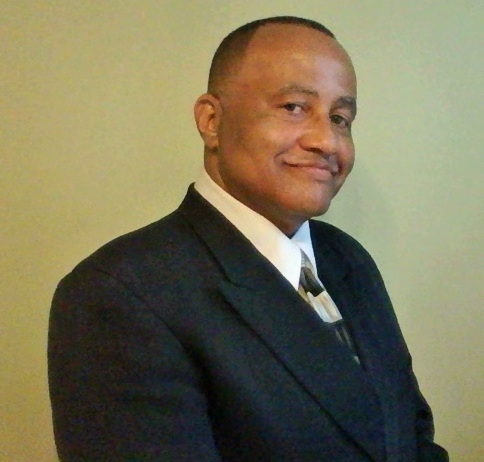
Robert A. Horne,
PhD, MDiv, NCC, MAC, ACS, LCAS, LPC, CSI, ICAADC
Robert A. Horne serves as an assistant professor of counselor education in the Department of Allied Professions and Vice-Chair of the Faculty Senate at North Carolina Central University. Additionally, Dr. Horne serves as a counselor and counseling consultant in private practice; former chair of the NBCC Foundation Minority Fellowship Program Advisory Council (doctoral); a subject matter expert for the International Credentialing and Reciprocity Consortium; and the fitness for practice evaluator for the North Carolina Board of Licensed Professional Counselors. Dr. Horne holds a PhD in counseling and counselor education from North Carolina State University, an MA in agency counseling from North Carolina Central University, and a Master of Divinity from Duke University. He is a National Certified Counselor, Licensed Professional Counselor, Approved Clinical Supervisor, Licensed Clinical Addiction Specialist, Certified Clinical Supervisor Intern, International Certified Advanced Alcohol and Drug Counselor, and Master Addictions Counselor. Additionally, Dr. Horne is an NBCC and Substance Abuse and Mental Health Services Administration Fellow.
Dr. Horne’s research and publications focus on males of African descent’s identity development and sustenance; the relationship between spirituality, mental health, and substance use; racial fatigue, stress, and coping strategies; and the development of professional and paraprofessional counselor training and supervision in international settings among underserved populations. Dr. Horne resides in Durham, North Carolina, and has visited over 40 countries. He actively engages in conducting workshops and trainings, both nationally and internationally. He is currently working with mental health and substance abuse organizations in Uganda, South Africa, and the Caribbean to develop mental health and addiction training programs in underserved communities.
NBCC Foundation has been approved by NBCC as an Approved Continuing Education Provider, ACEP No. 805. Programs that do not qualify for NBCC credit are clearly identified. NBCC Foundation is solely responsible for all aspects of the programs.
Each state sets its own requirements for licensure, including continuing education requirements to maintain licensure. Questions about CE requirements for state licensure should be directed to your state board. You can find their contact information on our state board directory.